
Shedding is a normal part of life for most dogs—but if your dog is shedding excessively, it may go beyond seasonal changes.
Significant or sudden hair loss can signal an underlying health issue.
We outline the common causes of excessive shedding in dogs, what you can do at home, and when to seek veterinary help.
Table of Contents
Dog Shedding Excessively: Why It Happens
Excessive shedding in dogs can result from seasonal changes, poor diet, stress, skin infections, parasites, or medical conditions like hypothyroidism.
Some breeds naturally shed more than others, but a noticeable increase in fur loss—especially with bald patches, skin changes, or itchiness—may need further evaluation.
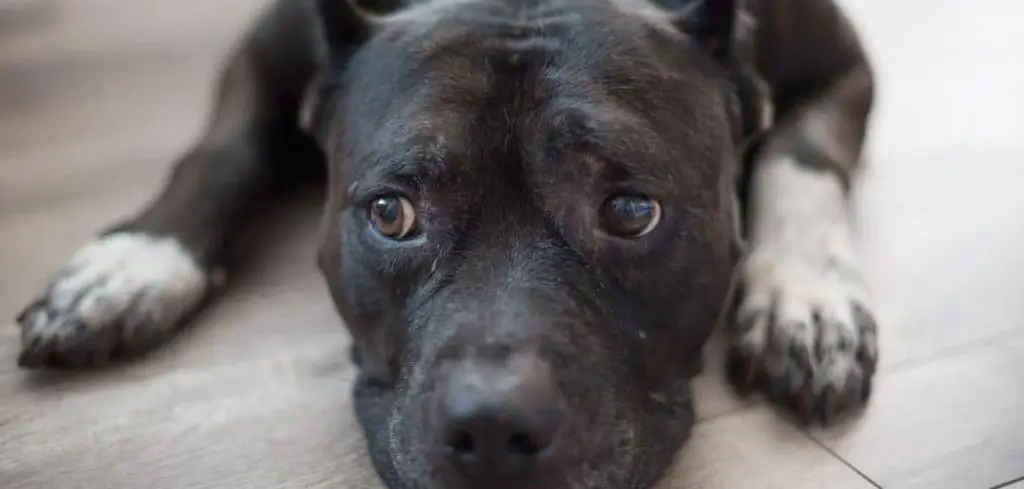
Why Is My Dog Excessively Shedding All of a Sudden?
Sudden excessive shedding can indicate a medical or environmental trigger rather than normal seasonal shedding. Causes include stress, dietary changes, hormonal imbalances (like thyroid or adrenal issues), allergies, parasites, or acute illness.
Even in otherwise healthy dogs, sudden hair loss should not be ignored, as it may be the first visible sign of a deeper problem.
Monitoring other symptoms such as lethargy, appetite changes, or skin abnormalities is important, and veterinary assessment is often necessary.
Dog Shedding Excessively: Common Causes
Seasonal Coat Changes
Most dogs shed more during spring and fall when their coats adjust to temperature shifts.
This is especially common in double-coated breeds like Huskies, Labs, and German Shepherds.
While normal, it can feel excessive without routine grooming and brushing.
Daily brushing during these transitions can help control fur buildup in your home.
Poor Nutrition or Low-Quality Diet
Dogs not getting enough essential nutrients—especially omega fatty acids—may have dull coats and excessive shedding.
Dry, flaky skin or brittle fur are also signs of dietary deficiencies.
Switching to a balanced, high-quality diet can greatly reduce shedding over time.
Consider adding omega-3 supplements or fish oil (with veterinary approval) to support skin health.
Allergies (Environmental or Food)
Dogs with allergies often lick, scratch, and bite at itchy skin, which leads to hair loss and excess shedding.
Common allergens include pollen, dust mites, certain proteins, or food additives.
Veterinary allergy testing or elimination diets can help identify and treat the root cause.
In some cases, long-term allergy management may include antihistamines, medicated baths, or prescription food.
Parasites or Skin Infections
Fleas, mites, or fungal infections like ringworm can damage hair follicles and cause shedding.
Watch for scabs, hair thinning, red skin, or areas your dog fixates on.
Frequent scratching and discomfort often accompany these conditions.
Medicated treatments, regular parasite prevention, and skin scrapes may be necessary.
Stress or Anxiety
Sudden stress—like moving, loud noises, or changes in the household—can trigger hair loss in some dogs.
Anxious dogs may also overgroom, leading to bald patches or irritated skin.
Creating a stable routine, using calming pheromone diffusers, or providing anxiety-reducing toys can help.
In more severe cases, your vet may recommend behavior modification or anxiety medication.
Read more: Dog shedding due to stress (Causes and what to do)
Hormonal Imbalances (Hypothyroidism, Cushing’s)
Conditions like hypothyroidism or Cushing’s disease affect skin and coat health, often causing symmetrical hair loss and dull fur.
Other signs include weight gain, lethargy, changes in thirst, or skin thickening.
Blood tests are required for diagnosis, and most conditions are manageable with medication.
Early detection is key to preventing long-term skin and coat damage.
Excessive Grooming or Overbathing
Ironically, trying to fix shedding with too much bathing or brushing can sometimes make it worse.
Overbathing strips natural oils, leading to dryness and irritation.
Use only gentle, dog-specific shampoos and consult your vet for an appropriate grooming schedule.
Old dog shedding excessively
Excessive shedding in older dogs is often linked to age-related changes in the skin and coat, such as slower hair regrowth, hormonal imbalances, or reduced grooming ability.
Conditions like hypothyroidism, Cushing’s disease, arthritis-related stress, and poor nutrient absorption can all worsen shedding in senior dogs.
If hair loss is sudden, patchy, or accompanied by itching, weight changes, or lethargy, an underlying medical issue should be ruled out.
Dog excessive shedding and dandruff
When excessive shedding occurs alongside dandruff, it often points to dry skin, allergies, poor diet, or underlying skin conditions.
Dandruff can also be caused by parasites, fungal or bacterial infections, or infrequent grooming that allows dead skin to build up.
Older dogs and dogs with hormonal imbalances are especially prone to this combination. Addressing diet, hydration, grooming, and skin health is essential, and persistent dandruff should be evaluated by a veterinarian.
Dog Excessive Shedding and Itching
When shedding is paired with itching, it usually signals underlying skin problems, such as allergies (food or environmental), fleas, mites, or dermatitis.
The constant scratching can damage the skin, leading to inflammation, hot spots, or secondary infections, which in turn worsens hair loss.
Persistent shedding with itching should always be evaluated by a veterinarian to identify the root cause and prevent long-term skin damage.
Dog shedding excessively in winter
While many people expect shedding only in warmer months, dogs can shed heavily in winter due to indoor heating and artificial lighting, which disrupt natural coat cycles.
Dry indoor air can also irritate the skin, leading to increased hair loss. Nutritional deficiencies and lack of sunlight exposure may further affect coat health during colder months.
Dog shedding excessively in summer
Heavy shedding in summer is common as dogs lose their thick winter undercoat to stay cool. This process, known as seasonal shedding or blowing coat, can appear dramatic but is usually normal.
However, excessive summer shedding may be worsened by heat stress, parasites, allergies, or poor nutrition.
If shedding is paired with skin redness, bald spots, or constant scratching, it may be more than seasonal.
Dog Excessive Shedding After Bath
It’s normal for dogs to shed more after a bath because washing loosens dead or loose hair trapped in the coat. Warm water and shampoo can also stimulate the follicles, causing additional shedding.
While some increase in shedding is expected, excessive hair loss combined with skin redness, itching, or foul odor may indicate skin irritation, allergies, or an infection, and a vet check may be needed.
What to Do If Your Dog Is Shedding Excessively
Brush your dog daily to remove loose hair and stimulate the skin. Use tools designed for your dog’s coat type—slicker brushes, deshedding tools, or combs.
Bathe your dog regularly with a gentle, skin-supportive shampoo. Avoid harsh products that can worsen dryness.
Upgrade to a high-quality, omega-rich diet to support skin and coat health from the inside out.
Provide flea prevention and check regularly for parasites, especially during warm months.
Try to minimize stressors and ensure your dog has a calm environment with regular routines and exercise.
Offer mental enrichment through toys, training, and games to reduce stress-induced overgrooming.
If needed, add humidifiers indoors to combat dry air which may worsen skin issues.
When to Call or Visit Your Vet
Reach out to your vet if your dog:
Develops bald patches or red, irritated skin.
Scratches, licks, or bites excessively.
Has flaky or oily skin.
Shows signs of weight gain, lethargy, or hormonal imbalance.
Suddenly starts shedding more without an obvious cause.
Has signs of infection like odor, pus, or oozing skin lesions.
Your vet may recommend skin scrapings, allergy testing, or bloodwork to uncover the cause. Early treatment helps prevent worsening symptoms and more serious skin conditions.
Related
Read more: Dog Peeing Excessively (What it means)
Read more: Dog Licking Air Excessively (Here’s when to worry)
Key Takeaway
While some shedding is normal, excessive hair loss could indicate stress, poor diet, allergies, parasites, or underlying illness.
Regular grooming and good nutrition help, but don’t ignore new or worsening symptoms. When in doubt, a veterinary check can uncover the real reason and get your dog’s coat back on track.
Paying attention early can make all the difference in your dog’s comfort and long-term skin health.


